The Future of Lasting Practices in the Aluminum Foundry Sector
Sustainable methods in the Aluminum Foundry industry are ending up being progressively necessary. As worldwide understanding of environmental issues grows, foundries face placing stress to embrace greener techniques. Developments in energy efficiency and waste decrease are arising, yet considerable difficulties stay. The industry's reaction will form its future. Just how will these improvements impact manufacturing and the overall ecological community? The responses may redefine the landscape of Aluminum production.
The Value of Sustainability in the Aluminum Foundry Sector
Sustainability is an essential consideration in the Aluminum Foundry industry, as it directly affects environmental preservation and resource administration. The manufacturing procedures involved in Aluminum manufacturing can consume considerable power and produce waste, demanding the adoption of lasting practices. Applying recycling efforts allows factories to redeem Aluminum, minimizing the demand for virgin material and lessening energy usage. Additionally, optimizing manufacturing approaches to enhance power performance can result in significant decreases in carbon emissions.
The usage of eco-friendly materials and modern technologies is another essential facet of sustainability. By focusing on environmentally friendly ingredients and gas, foundries can also reduce their eco-friendly impact. Additionally, sustainability methods cultivate a positive corporate picture, drawing in consumers and investors that focus on ecological responsibility. Ultimately, accepting sustainability in the Aluminum Foundry field is not merely a pattern however a need for future viability, guaranteeing the market can satisfy expanding needs while maintaining the planet for future generations.
Current Difficulties Dealing With Aluminum Foundries
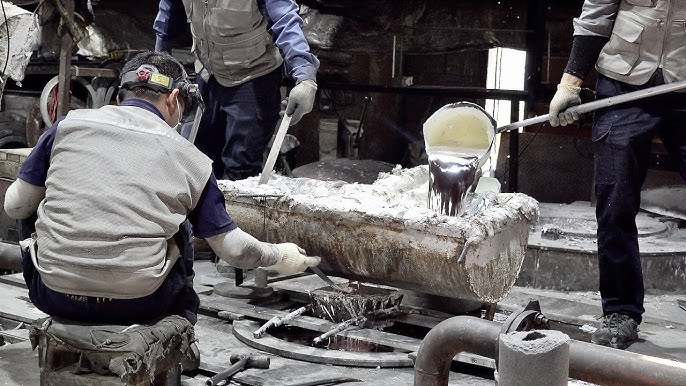 Aluminum factories encounter substantial obstacles that impede their sustainability initiatives. High energy usage stays an essential problem, along with the intricacies of efficient waste administration. Furthermore, regulative compliance positions challenges, as factories need to navigate a progressing landscape of environmental standards.
High Power Consumption
How can Aluminum shops properly attend to the pressing challenge of high power usage? To minimize this concern, factories can execute innovative modern technologies such as energy-efficient heating systems and automation systems that maximize manufacturing processes. Retrofitting existing tools with energy-saving components can additionally lead to considerable decreases in energy usage. Utilizing alternate power resources, such as solar or wind power, can lessen reliance on fossil gas and lower total carbon footprints. Staff member training and awareness programs can better promote energy-conscious techniques within the workforce. Constant monitoring of energy intake and performance metrics makes it possible for foundries to determine ineffectiveness and apply corrective procedures. By adopting these techniques, Aluminum factories can substantially decrease their power intake while enhancing sustainability efforts.
Waste Monitoring Issues
The Aluminum Foundry sector faces considerable obstacles regarding waste administration, specifically as the sector attempts to enhance its environmental efficiency. A key concern is the generation of dangerous waste, including spent chemical, dross, and sand residues, which require careful handling and disposal. Furthermore, recycling prices for Aluminum scrap can differ, bring about excess product that might not be effectively reused. Operational ineffectiveness additionally add to waste, as outdated processes can create even more scrap than needed. Additionally, the absence of standard waste administration techniques across facilities complicates efforts to embrace sustainable options. As factories function to lessen their ecological footprint, dealing with these waste management issues is important in promoting a more lasting Aluminum manufacturing cycle.
Regulatory Compliance Difficulties
Steering the facility landscape of regulatory compliance offers a substantial obstacle for factories within the Aluminum industry. Regulatory structures, commonly defined by frequent updates and differing regional, national, and global demands, can create complication and operational troubles. Factories must browse strict ecological guidelines concerning exhausts, waste administration, and source usage, which intend to lessen their ecological impact. Additionally, conformity with security laws is vital to guarantee employee protection, requiring ongoing training and financial investment in safety devices. The economic concern of fulfilling these regulative criteria can strain sources, particularly for smaller shops. As the industry progresses, adjusting to these compliance obstacles while intending for lasting methods continues to be an important hurdle for Aluminum factories looking for long-term feasibility.
Technologies in Energy Effectiveness
As the Aluminum Foundry field seeks to decrease its ecological impact, developments in power performance have actually become a vital emphasis. Advanced melting technologies, such as induction melting and electric arc heating systems, greatly reduce energy usage contrasted to traditional methods. These innovations improve thermal performance, enabling quicker thaw times and less energy waste.
Additionally, the combination of real-time tracking systems allows shops to maximize power usage by giving data-driven understandings right into functional efficiency. Aluminum Foundry. This permits changes to be made proactively, reducing unnecessary power expense
The fostering of regenerative heaters in heating systems recycles warm, further boosting efficiency. These innovations not just lower operational expenses however also align with international sustainability objectives. As the market remains to develop, the emphasis on energy-efficient techniques is positioned to reinvent the Aluminum Foundry industry, guaranteeing a more lasting future.
Developments in Waste Reduction Techniques
With innovations in power effectiveness paving the way for even more sustainable procedures, waste decrease techniques have actually in a similar way acquired grip in the Aluminum Foundry sector. Shops are significantly embracing lean production concepts to minimize waste generation throughout their procedures. Carrying out methods such as worth stream mapping allows drivers to determine and eliminate non-value-added tasks, which significantly reduces scrap manufacturing.
Additionally, advancements in process automation have actually improved accuracy in casting, therefore reducing the occurrence of problems and linked waste. you could try these out The assimilation of real-time monitoring systems enables for prompt detection of abnormalities, facilitating timely rehabilitative actions that reduce worldly loss.
Furthermore, shops are exploring using alternate resources and ingredients that can boost return and reduce waste. These initiatives not only add to sustainability goals however likewise cause set you back savings, demonstrating that waste reduction strategies are crucial for both environmental responsibility and financial feasibility in the Aluminum Foundry market.
Improved Recycling Processes and Round Economic Climate
Enhanced reusing procedures are crucial beforehand the circular economy within the Aluminum Foundry industry. Technologies in product recovery and the execution of closed-loop systems have greatly boosted the effectiveness of recycling modern technologies. These improvements not only decrease waste but also add to lasting source administration in the market.
Advanced Recycling Technologies
A growing variety of Aluminum factories are accepting advanced reusing modern technologies to boost sustainability efforts and promote a round economic climate. These technologies consist of cutting-edge processes that enhance the recuperation and reprocessing of Aluminum scrap, substantially lowering waste and power consumption. Strategies such as hydrometallurgical techniques and advanced melting procedures allow for greater purity degrees in recycled Aluminum, making sure that it meets sector requirements. Additionally, the assimilation of digital devices and automation helps with real-time tracking and optimization of recycling operations, enhancing effectiveness. By carrying out these innovative innovations, shops not just decrease their ecological impact yet also contribute to source preservation. This change in the direction of lasting practices underscores the industry's commitment to decreasing reliance on primary Aluminum production and cultivating a closed-loop system.
Closed-Loop Solutions
The adoption of advanced recycling technologies naturally straightens with the execution of closed-loop systems in the Aluminum Foundry field. Closed-loop systems facilitate the continual reuse of Aluminum, decreasing waste and lowering the requirement for virgin materials. Aluminum Foundry. By integrating boosted recycling processes, shops can recover Aluminum from scrap and faulty products, ensuring that these products are reintegrated into the manufacturing cycle. This technique not only reduces power usage and greenhouse gas emissions but additionally sustains the circular economy by advertising sustainable techniques. As closed-loop systems end up being more widespread, they encourage collaboration among stakeholders, cultivating technologies in material handling and handling. Ultimately, these systems represent a substantial step in the direction of achieving ecological sustainability in the Aluminum Foundry sector
Material Healing Innovations
Numerous advancements in product recovery are transforming the Aluminum Foundry market, particularly through the improvement of reusing processes that sustain a circular economic situation. Advanced methods, such as automated sorting and filtration methods, substantially raise the performance of Aluminum recuperation from scrap. Technologies like hydrometallurgy and pyrometallurgy are being enhanced to decrease power intake Check Out Your URL while taking full advantage of yield. In addition, the combination of Internet of Points (IoT) devices makes it possible for real-time tracking and information analysis, facilitating an extra responsive reusing procedure. These improvements not only minimize waste but likewise reduced the carbon footprint connected with Aluminum manufacturing. By adopting these advancements, foundries can add to an extra sustainable sector, ensuring that Aluminum stays an important source in an environmentally accountable fashion.
Regulatory Patterns and Industry Requirements
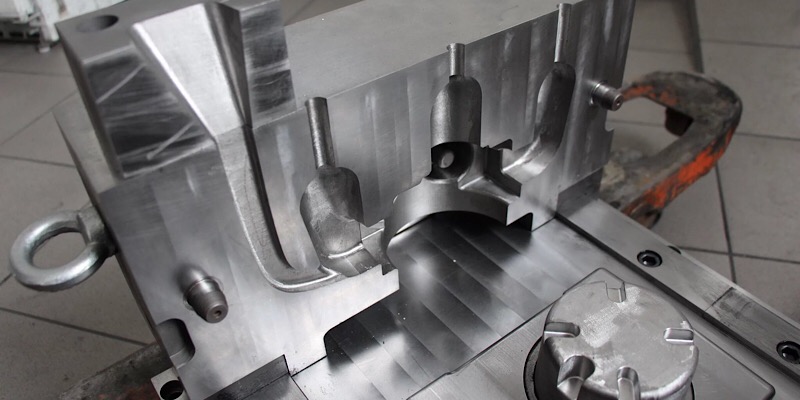 As the Aluminum Foundry sector faces increasing analysis over ecological effects, regulatory trends are evolving to advertise sustainability and decrease carbon footprints. Federal governments and worldwide bodies are executing stricter exhausts guidelines and standards intended at restricting greenhouse gas outputs. These regulations that site often call for factories to take on even more sustainable techniques, including energy-efficient modern technologies and waste administration protocols.
Sector requirements, such as those established by the International Organization for Standardization (ISO), are also getting traction. ISO 14001, for circumstances, highlights ecological administration systems, encouraging factories to continuously enhance their ecological performance (Aluminum Foundry). In addition, the introduction of eco-labeling efforts helps consumers recognize products made with sustainable methods, better incentivizing factories to follow these standards
In this context, adherence to advancing regulations and market criteria is not merely a conformity concern; it is becoming important to company technique and competition in the Aluminum Foundry field.
The Role of Innovation in Driving Lasting Practices
Amid developing guidelines and sector standards, innovation plays an essential duty in enhancing sustainability within the Aluminum Foundry industry. Advanced manufacturing methods, such as 3D printing, make it possible for the manufacturing of complex components with marginal waste. Digital devices, consisting of expert system and data analytics, optimize processes, resulting in energy cost savings and minimized discharges.
The combination of automation and robotics additionally simplifies procedures, making certain specific control over product use and lowering human mistake. In addition, the advancement of green alloys and reusing modern technologies advertises resource conservation, significantly lowering the carbon footprint of shops.
Smart sensing units and IoT gadgets assist in real-time tracking, enabling immediate adjustments to procedures that improve energy efficiency. By leveraging these technological innovations, the Aluminum Foundry market is not only meeting governing needs but also establishing a criteria for sustainable techniques, eventually contributing to an extra ecologically responsible industry.
Regularly Asked Inquiries
How Can Tiny Factories Adopt Lasting Practices Efficiently?
Small factories can efficiently take on sustainable techniques by carrying out energy-efficient technologies, enhancing resource administration, taking part in waste decrease strategies, and cultivating collaboration with sector partners to share finest practices and advancements for environmental stewardship.
What Function Do Customers Play in Promoting Sustainability in Aluminum?
Customers greatly influence sustainability in Aluminum by focusing on environment-friendly items, demanding openness, and sustaining brands that embrace lasting practices. Their choices can drive market patterns, urging producers to carry out eco responsible techniques throughout the Aluminum supply chain.
Exist Financial Incentives for Sustainable Practices in This Field?
Financial incentives for sustainable methods in the Aluminum Foundry sector include tax breaks, gives, and lowered power costs. These rewards motivate companies to adopt green methods, eventually benefiting both the environment and their profits.
How Does Sustainability Impact the High Quality of Aluminum Products?
Sustainability influences the high quality of Aluminum products by promoting cleaner production methods and decreasing impurities. Improved environmental methods result in much better material consistency, eventually leading to exceptional toughness and efficiency of the last Aluminum elements.
What Is the Future Market Demand for Sustainable Aluminum Products?
The future market demand for lasting Aluminum items is anticipated to increase significantly, driven by consumer preference for eco-friendly products. Industries are significantly focusing on sustainability, influencing producers to adapt their techniques to fulfill this growing demand.
Applying reusing efforts allows foundries to redeem Aluminum, minimizing the requirement for virgin material and minimizing power intake. The Aluminum Foundry market faces considerable challenges pertaining to waste administration, particularly as the industry tries to enhance its environmental efficiency. As the Aluminum Foundry market seeks to reduce its ecological footprint, innovations in power efficiency have actually emerged as a crucial emphasis. With developments in power efficiency leading the way for more lasting operations, waste decrease techniques have in a similar way acquired grip in the Aluminum Foundry sector. Financial rewards for lasting practices in the Aluminum Foundry market consist of tax breaks, gives, and reduced energy prices.
Comments on “Aluminum Foundry Wisconsin fuels innovation in casting technologies”